
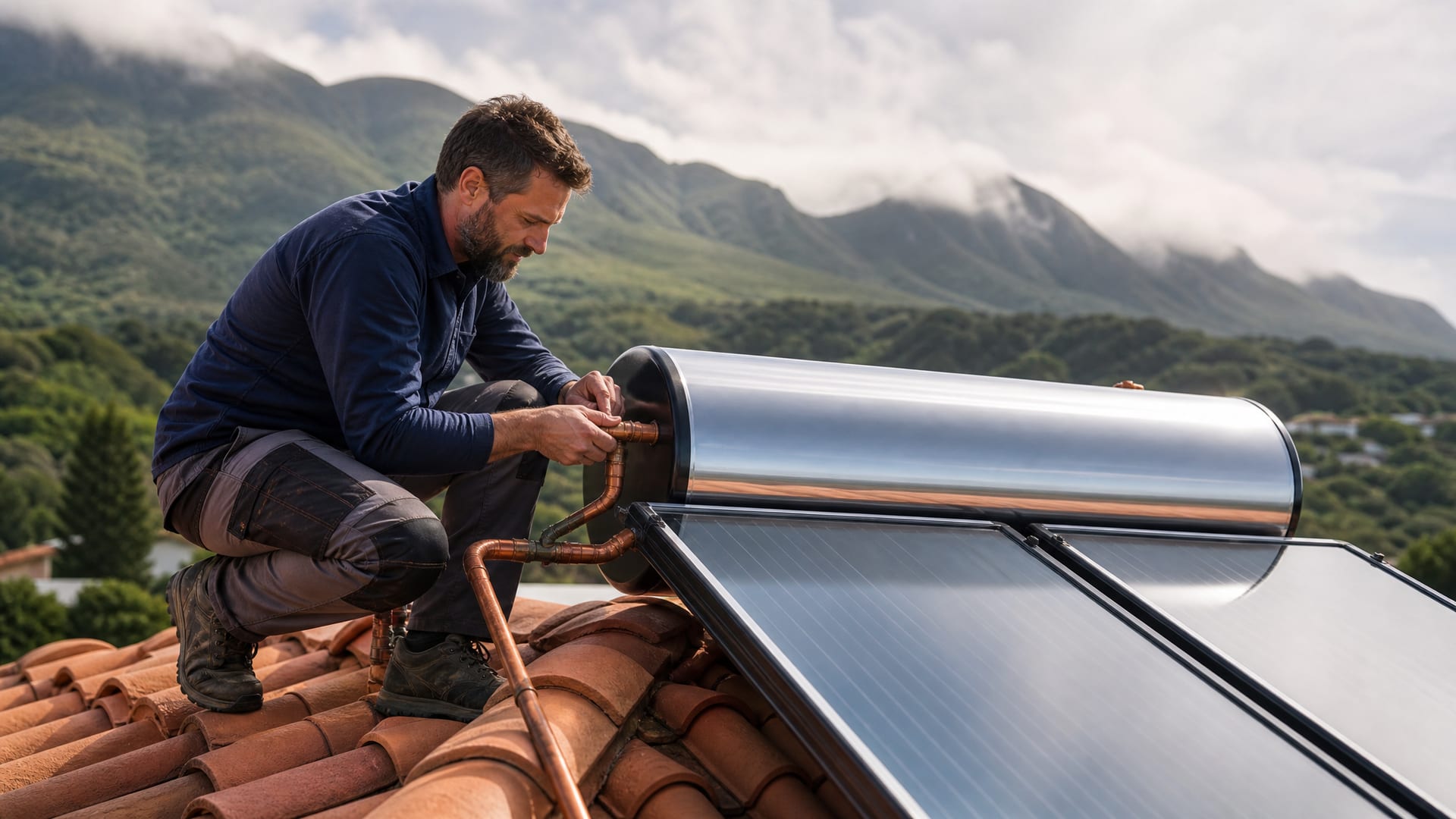
Switching to solar water heating is one of the most direct ways to cut your household’s reliance on the grid and lock in a predictable energy cost. For homeowners and property managers across George, the decision often comes down to finding a partner who understands both the local climate and the technical realities of retrofitting existing plumbing. Solar geyser installation in George isn’t a one-size-fits-all job, our weather patterns, municipal tariff structures, and coastal maintenance needs all shape what a good system looks like here. This guide moves beyond general pricing to the practical questions you’ll actually face when upgrading your hot water system on the Garden Route.
Why Solar Geysers Suit the Garden Route Climate
George sits in a unique spot on the southern coast that makes thermal solar particularly effective compared to other regions. Many people assume solar performance depends on summer heat alone, but for domestic hot water, steady year-round irradiance matters more.
Local Solar Irradiance and Hot Water Demand
George gets an average of 5.5 to 6 peak sun hours a day, which puts it among the more favorable spots on the Garden Route for consistent thermal yield. That steady supply means your system still generates meaningful hot water in winter, exactly when electric geysers work hardest and draw the most power. The region’s moderate temperature swings also reduce thermal shock on collector components, which extends equipment life compared to areas with sharper day-to-night variation. The upshot is more predictable performance and fewer backup heating cycles through the year.
Municipal Tariff Trends in George
Electricity costs for water heating keep climbing as block tariffs rise and infrastructure levies adjust upward. Hot water typically makes up thirty to forty percent of a residential electricity bill, the single largest controllable load in most George households. Harvest free thermal energy during daylight hours and you insulate yourself against future tariff hikes on that slice of your consumption. That protection matters more each year as the municipality adjusts rates to fund grid maintenance and renewable procurement targets through 2027.
Solar Geyser vs Electric Geyser: Cost and Savings Comparison
Choosing between conventional electric heating and solar means weighing upfront outlay against long-term operational savings. That trade-off comes down to your specific usage patterns, not a generic payback calculator built for a different climate.
Upfront Installation Investment
Costs for solar geyser installation in George vary with system size, roof type, and how complex the plumbing integration turns out to be. The upfront price does exceed a standard electric geyser replacement, but you’re buying decades of reduced running costs, not just an appliance. For broader context on how local pricing compares to national averages, national solar hot water cost benchmarks are worth reviewing before you request quotes.
Long-Term Electricity Bill Reduction
Solar hot water systems typically cut household water-heating electricity use by 40% to 70%, depending on usage patterns and system sizing. In George’s current tariff environment, most properly sized installations pay back within four to six years. After that, hot water is essentially free apart from minimal backup element use during extended cloudy spells. Your actual savings depend on when you use hot water relative to solar generation, though morning and evening routines tend to line up well with stored thermal capacity.
Hybrid System Integration Benefits
An existing rooftop PV array can work alongside thermal solar through a sensible hybrid setup that gets more value out of both. Hybrid system configurations let your PV panels handle daytime electrical loads while the solar geyser captures thermal energy at the same time, so you’re not converting electricity to heat and losing efficiency along the way. That dual-harvest approach pays off especially during peak tariff windows, when you’d rather save battery storage for essential appliances than water heating.
The Solar Geyser Installation Process for George Homes
Professional installation turns quality components into a system that runs safely for decades. The job is more than mounting collectors and connecting pipes, it means assessing your property’s specific conditions and meeting local building standards.
Site Assessment and Roof Compatibility
Every installation starts with evaluating your roof structure, orientation, and shading to find the best spot for the collectors. Older Garden Route properties often bring unique problems: non-standard rafter spacing, heritage roofing materials that need specialized mounting. This assessment also flags any structural reinforcement needed before the added weight of collectors and storage tanks goes up, so long-term safety isn’t left to chance.
Typical Installation Timeline and Disruption
A standard solar geyser installation in an existing home typically takes one to two days from start to commissioning, depending on system complexity and how accessible the site is. Most of that time goes into roof work and pipe routing outside; disruption inside is limited to connecting the new system to your existing hot water distribution. Expect a temporary water shutoff during the connection phase, but a professional crew schedules that to minimize the hit to your day.
Integration with Existing Plumbing
Retrofitting a solar system into an established home means working with whatever plumbing configuration is already there, not starting fresh. Experienced installers check your current geyser location, pipe diameters, and pressure ratings to design connections that keep flow adequate throughout the house. Get this integration right and the new system delivers hot water reliably, even at the taps and showers furthest from the tank.
Choosing Qualified Solar Geyser Installers Near You
The quality of your installation decides whether your investment delivers the promised savings or turns into an ongoing headache. Picking the right partner means checking credentials that go well beyond a basic plumbing license.
Warranty Coverage and After-Sales Support
Manufacturer warranties stay valid only when certified installers follow the prescribed procedures and document the work correctly. Ask potential providers about their after-sales commitments: response times for fault diagnosis, repair coverage during the warranty period. Trusted solar installers in George stand behind their workmanship with guarantees that match or exceed the component manufacturer’s own terms.
Verifying Local Credentials and Experience
Local experience matters, because Garden Route conditions differ a lot from the inland environments most training programs focus on. Check that your installer holds current accreditation from a recognized industry body and carries adequate insurance for roof work and hot water system modifications. Ask for references from recent jobs in your specific suburb, so you know they understand the local microclimate and the municipality’s inspection requirements.
This isn’t a DIY project, and it isn’t a job for a general handyman without specialized thermal solar certification.
Maintenance and Lifespan Expectations
Coastal air demands proactive maintenance to protect your investment from accelerated corrosion and component wear. Properly installed solar geysers in coastal environments need an annual anode rod inspection to guard against the faster corrosion that salt-laden air causes. Skip that simple check and you risk voiding warranties, plus premature tank failure that costs far more than the inspection ever would. Collector glazing may need the occasional clean to keep optical efficiency up, though George’s regular rainfall handles much of that on its own. Component lifespans vary by quality tier, but a well-maintained system in our climate routinely delivers fifteen to twenty years of service before major refurbishment comes into the picture.
Financing and Incentives for Solar Water Heating
Upfront cost is still the main barrier for a lot of homeowners, despite the clear long-term savings. Various financing options now exist to spread the capital cost over monthly payments that often land below what you’d save on electricity. Financing options for solar upgrades can get you installed now without draining cash reserves you need for other things. Tax incentives and rebates shift from time to time, so check current SARS guidelines or ask your installer what applies for 2026 installations.
Protecting Your Property During and After Installation
Solar geyser installation creates roof penetrations, and those need proper sealing to keep water out during Garden Route storms. Everlife Group pairs solar geyser installation with a roof waterproofing assessment at the same time, to head off future leaks at those penetration points. Energy upgrades and property maintenance aren’t separate concerns; they’re connected, and treating them that way is the point. Roof waterproofing before installation keeps your roof structure sound so the new solar system sits on a stable, watertight base. Combine the two and you cut overall project cost while protecting your property value through one coordinated job instead of separate contractor visits.